The monument that looks permanent
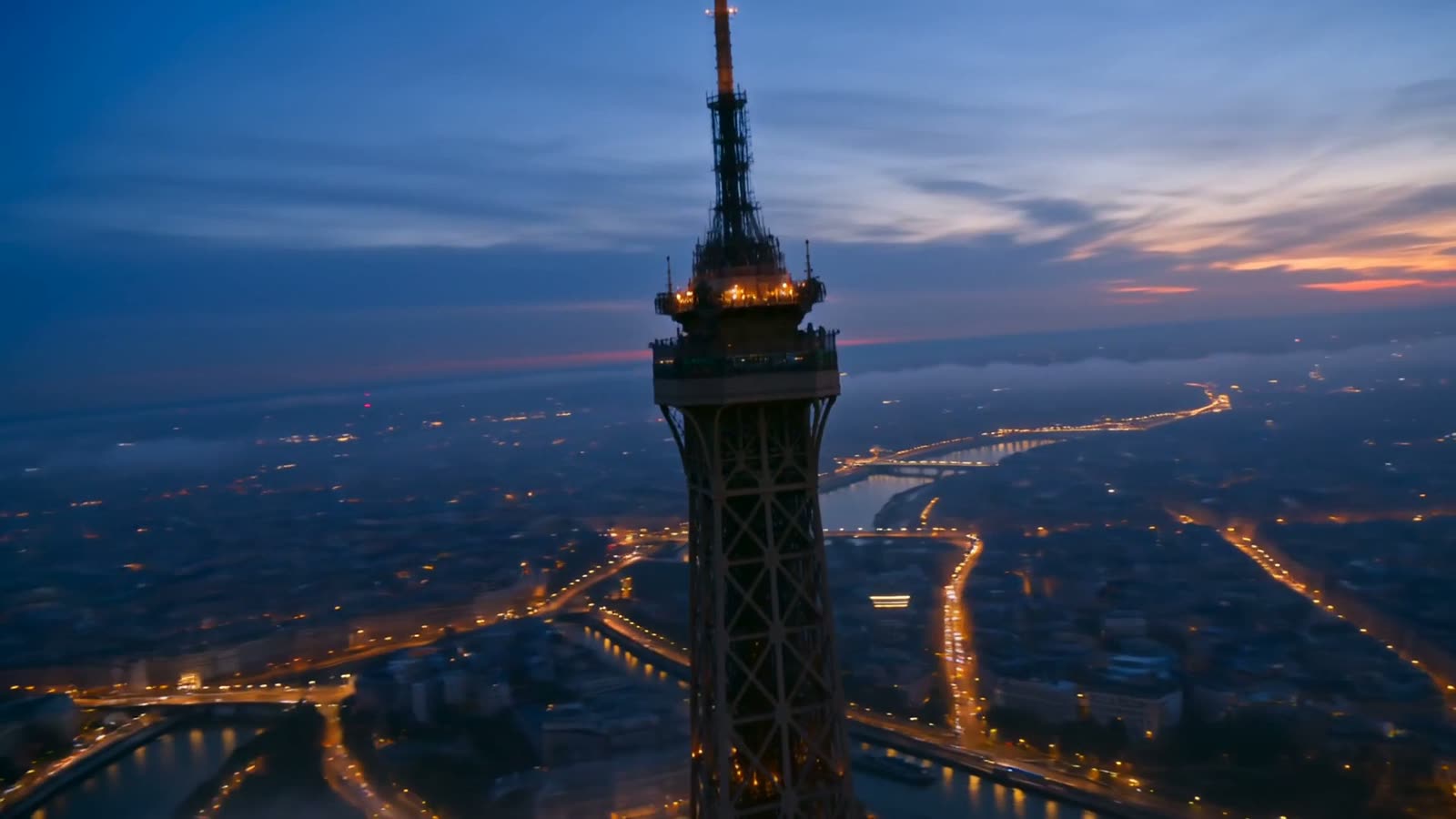
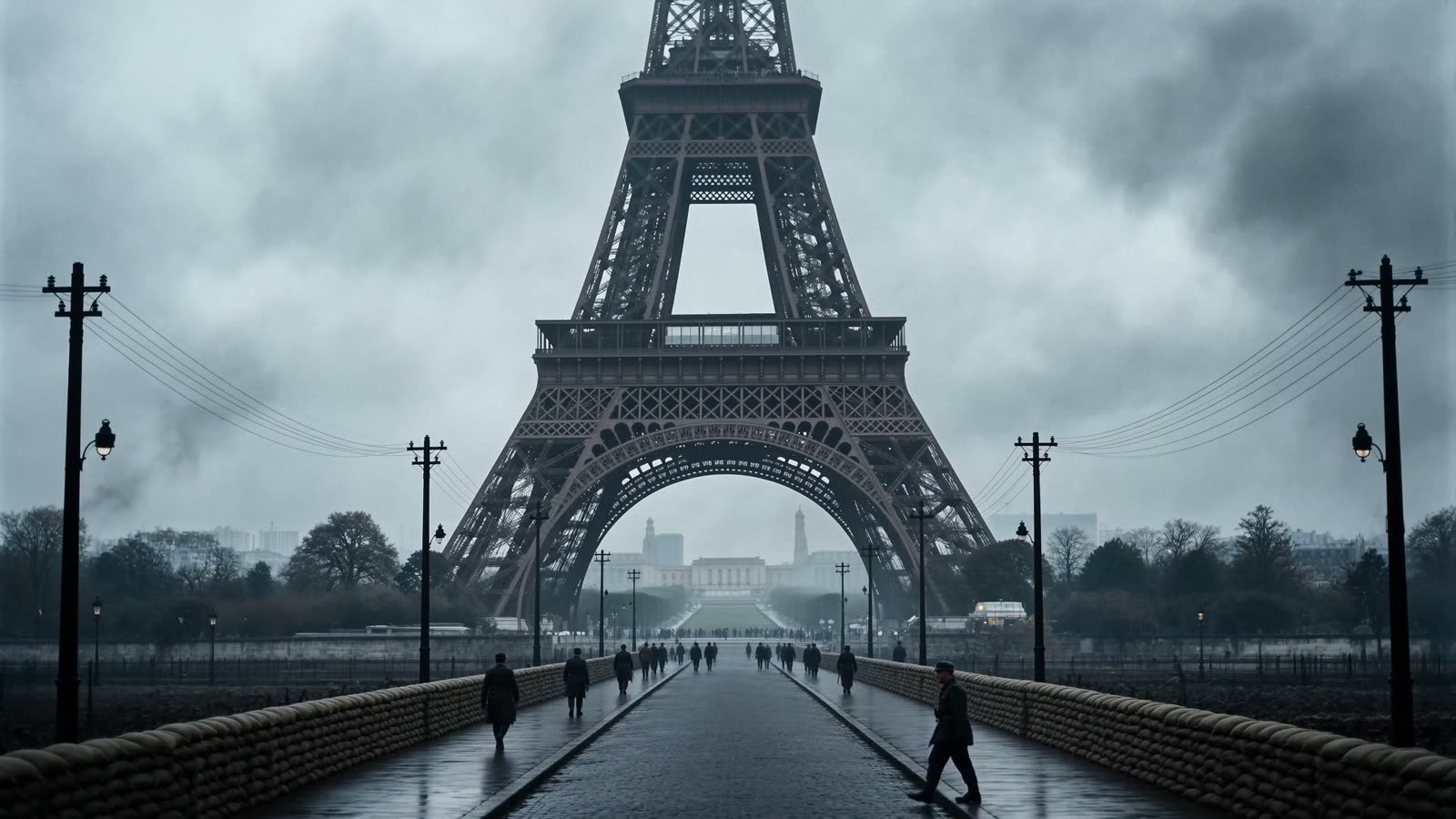
It is almost impossible now to imagine Paris without it: three hundred metres of iron above the Seine, a silhouette recognised before the streets beneath it. It looks inevitable. It was anything but. Before its foundations were finished, some of France's most respected artists and architects condemned it — and even if it could be built, its right to stand on the Champ de Mars would last just twenty years. By 1909, it could have been legally dismantled and cleared from the skyline.
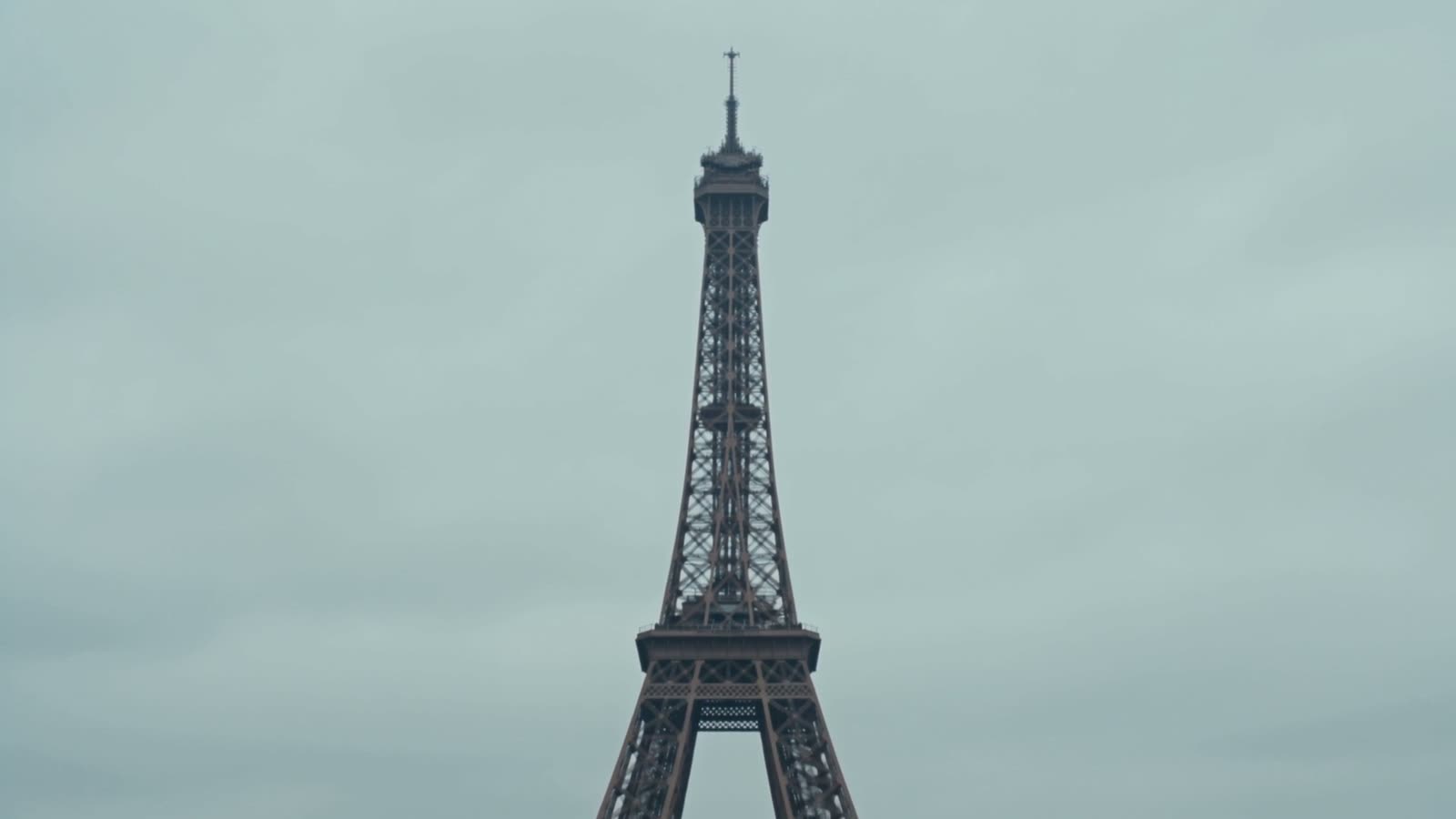
It survived. Not because its critics decided it was beautiful, but because the structure they dismissed as an ugly machine became one of the most useful machines in France. To understand how, the film returns to a Paris without the Eiffel Tower. It is 1886.
A challenge to astonish the world
France is preparing the Exposition Universelle of 1889, marking a century since the Revolution, and its organisers want an entrance monument unlike anything on Earth: an iron tower three hundred metres high. The tallest structure then standing, the Washington Monument, reaches little more than half that. One hundred and seven projects are considered.
The winning design does not begin with Gustave Eiffel. It begins inside his company, with engineers Maurice Koechlin and Émile Nouguier: four lattice columns, spread wide at the ground, curving inward to meet above Paris. Architect Stephen Sauvestre refines its appearance; Eiffel recognises what it could be and backs it. Drawing a three-hundred-metre tower is one thing. Making it stand is another.
A structure shaped by the wind
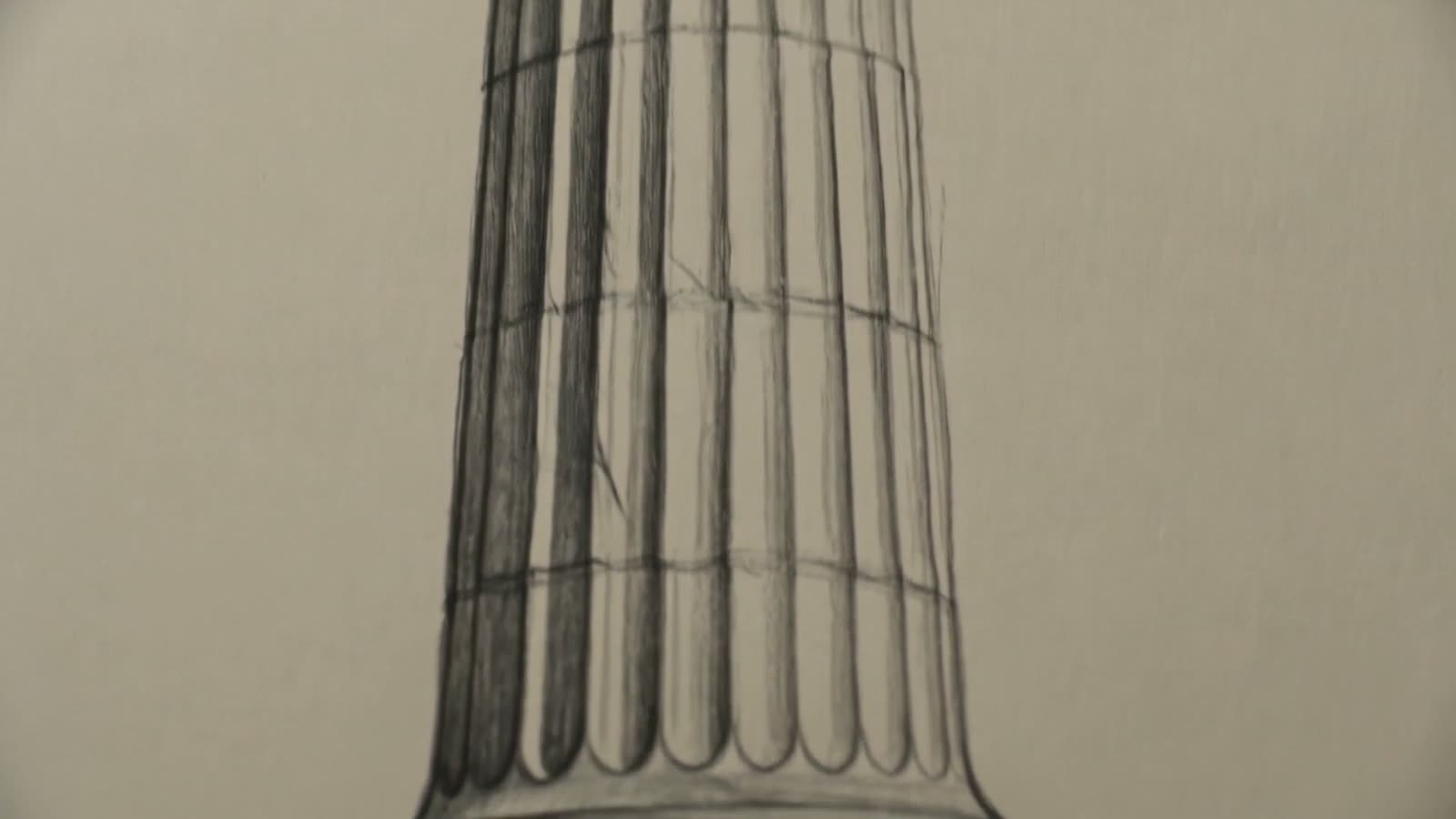
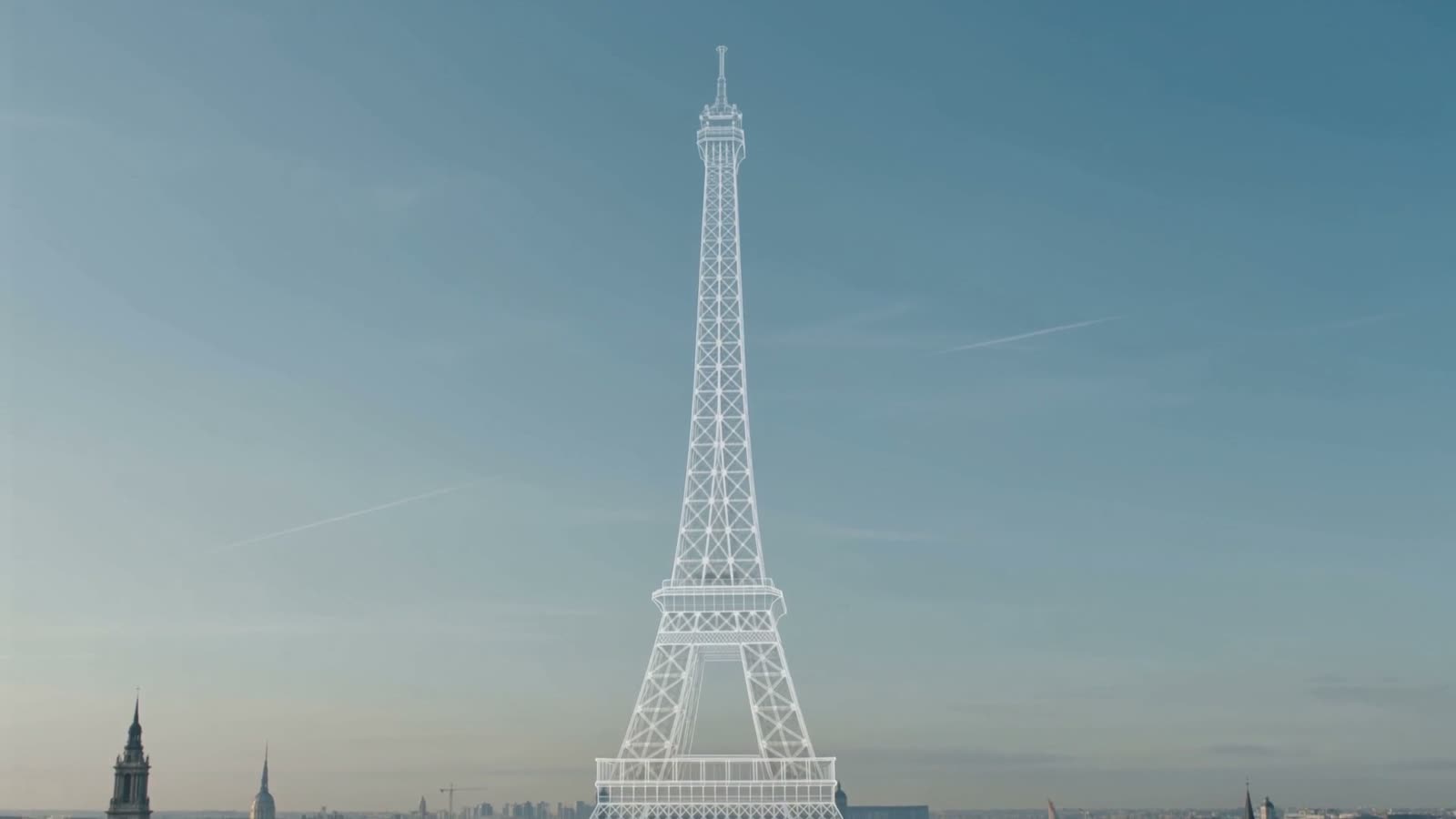
The curve the critics would call ugly is not decoration. It is arithmetic. The four legs flare because the structure must resist wind at heights no engineer had confronted; as they climb, their curvature channels those forces down into the foundations. And the tower is not steel — it is puddled iron, refined and rolled into plates and beams, 7,300 tonnes of it, protected by paint and open enough that the wind passes through.
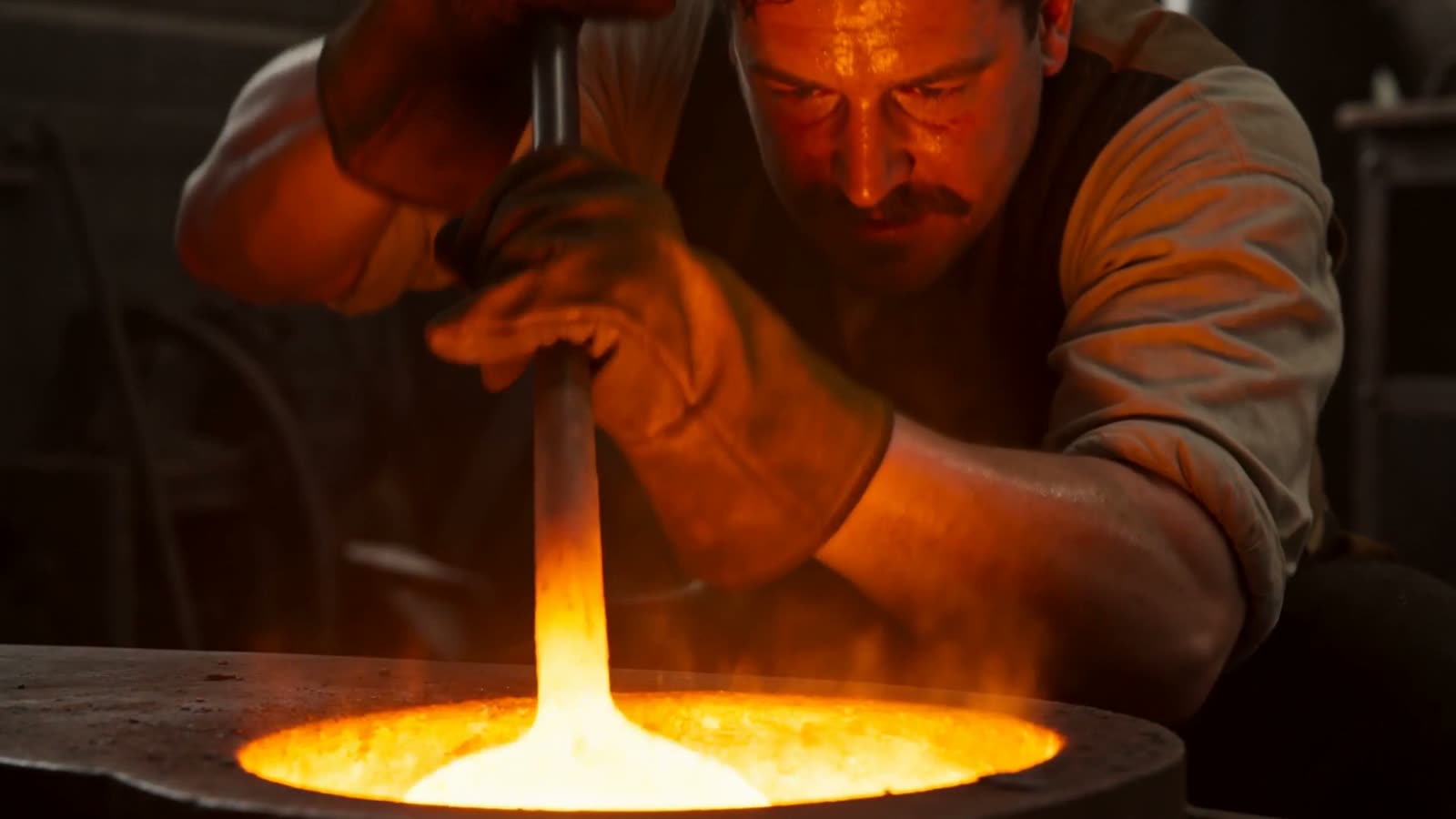
The question is whether thousands of separate components can meet above Paris with almost impossible precision. On 26 January 1887, the digging begins.
Foundations beneath the city
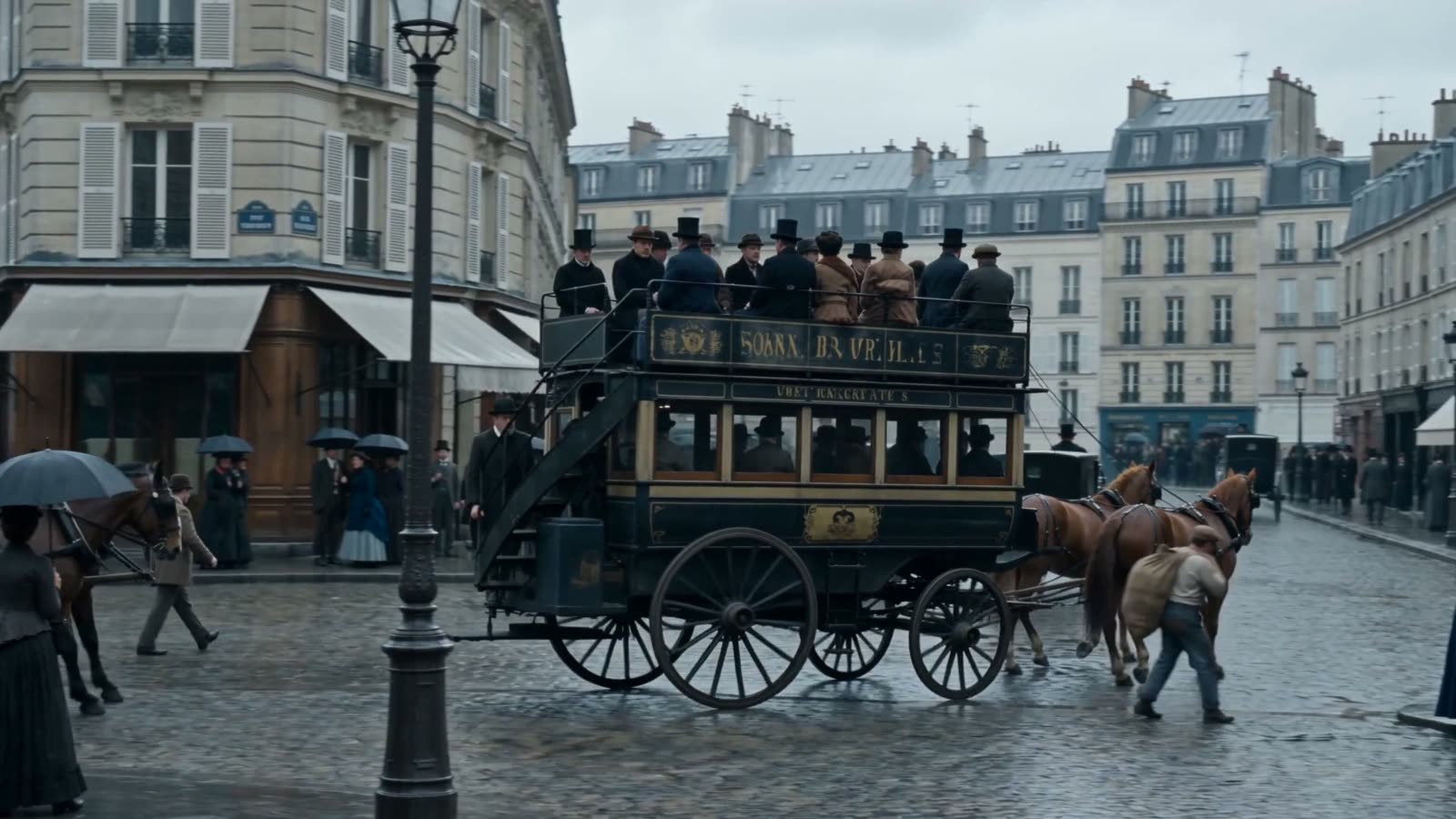
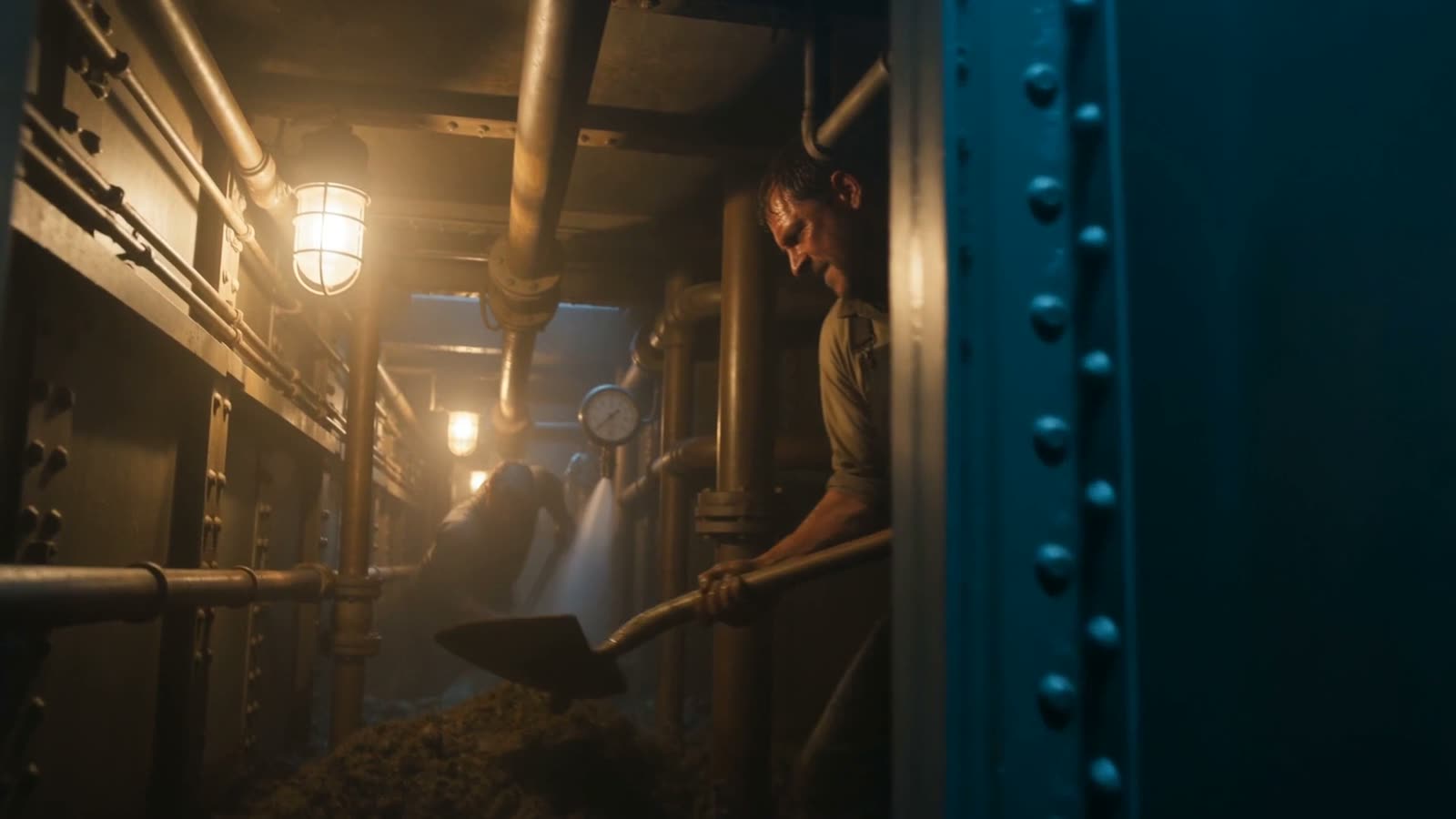
Before the tower can climb, its builders go down. The two legs nearest the Seine sit in wet ground, below the river's water level — so the men work inside watertight metal caissons filled with compressed air, excavating while the pressure holds the water back. Nothing about the site suggests elegance: mud, timber, smoke, horses, rope.
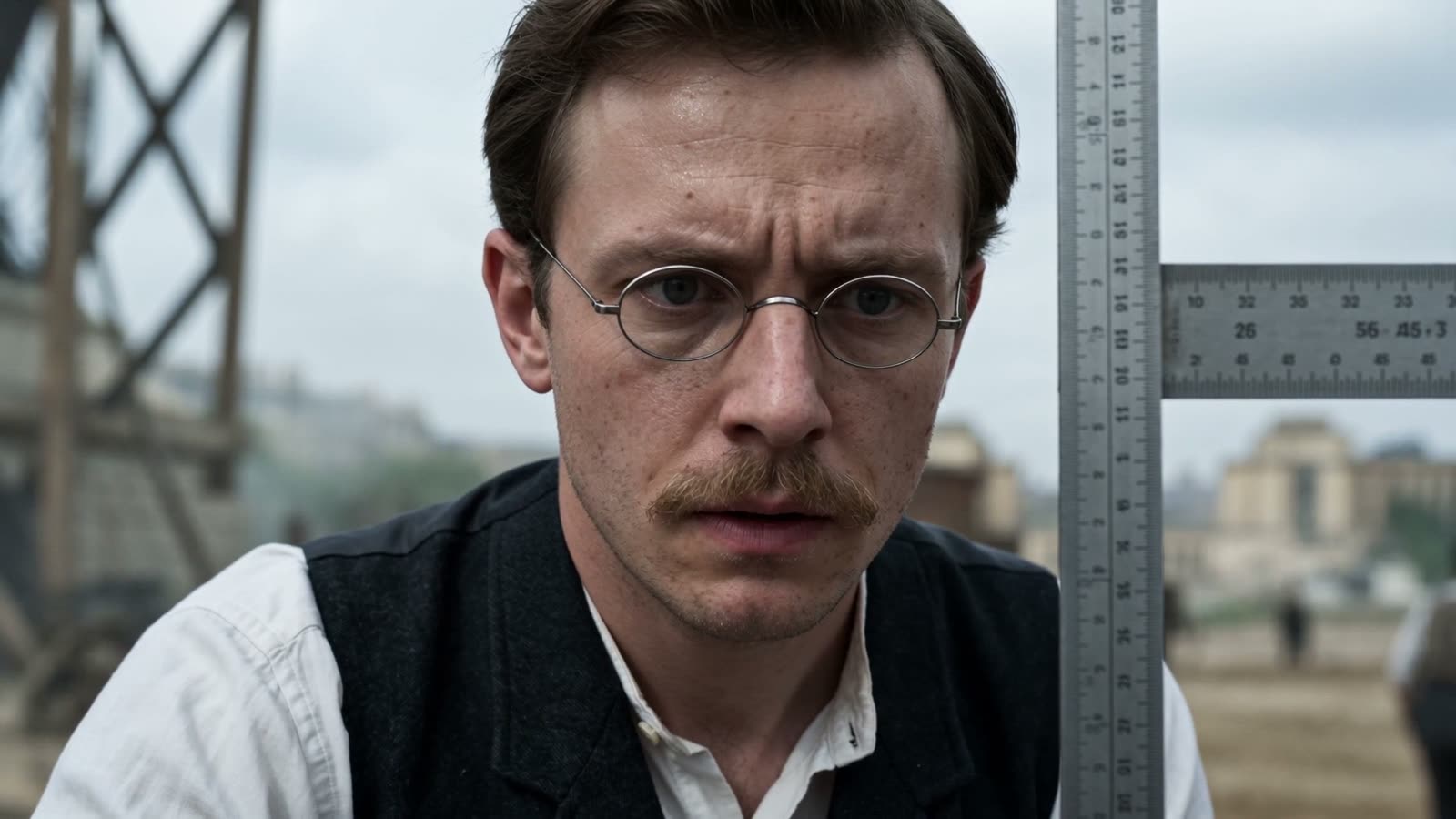
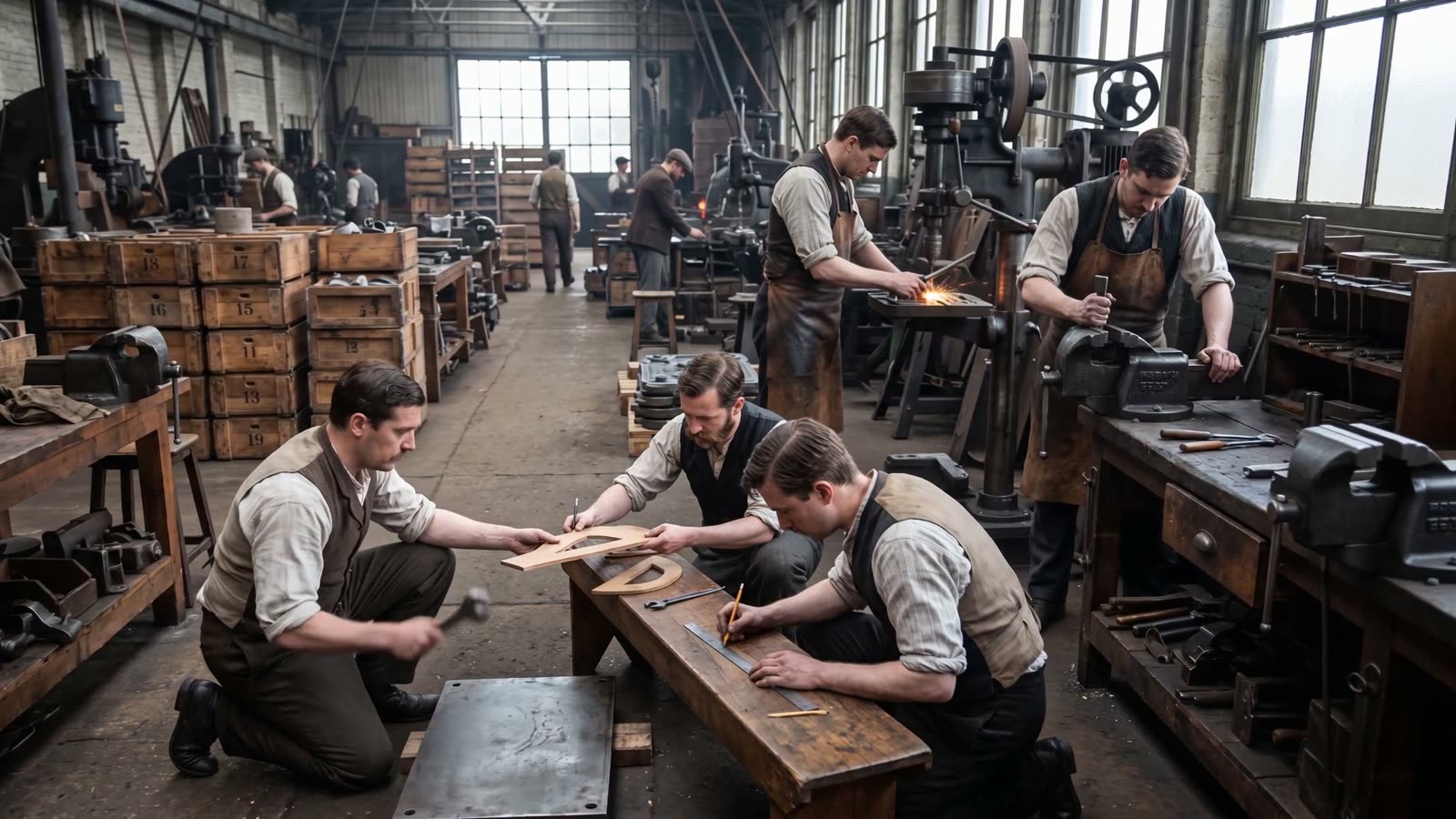
The elegance is elsewhere. At Eiffel's factory in Levallois-Perret, one hundred and fifty draughtsmen produce more than five thousand drawings, and every one of the tower's 18,038 parts is traced to a tenth of a millimetre. Components arrive by horse-drawn cart, numbered, checked, and already part-assembled. The Eiffel Tower is not being invented on the Champ de Mars. It is being manufactured — like a machine.
The men who joined the iron
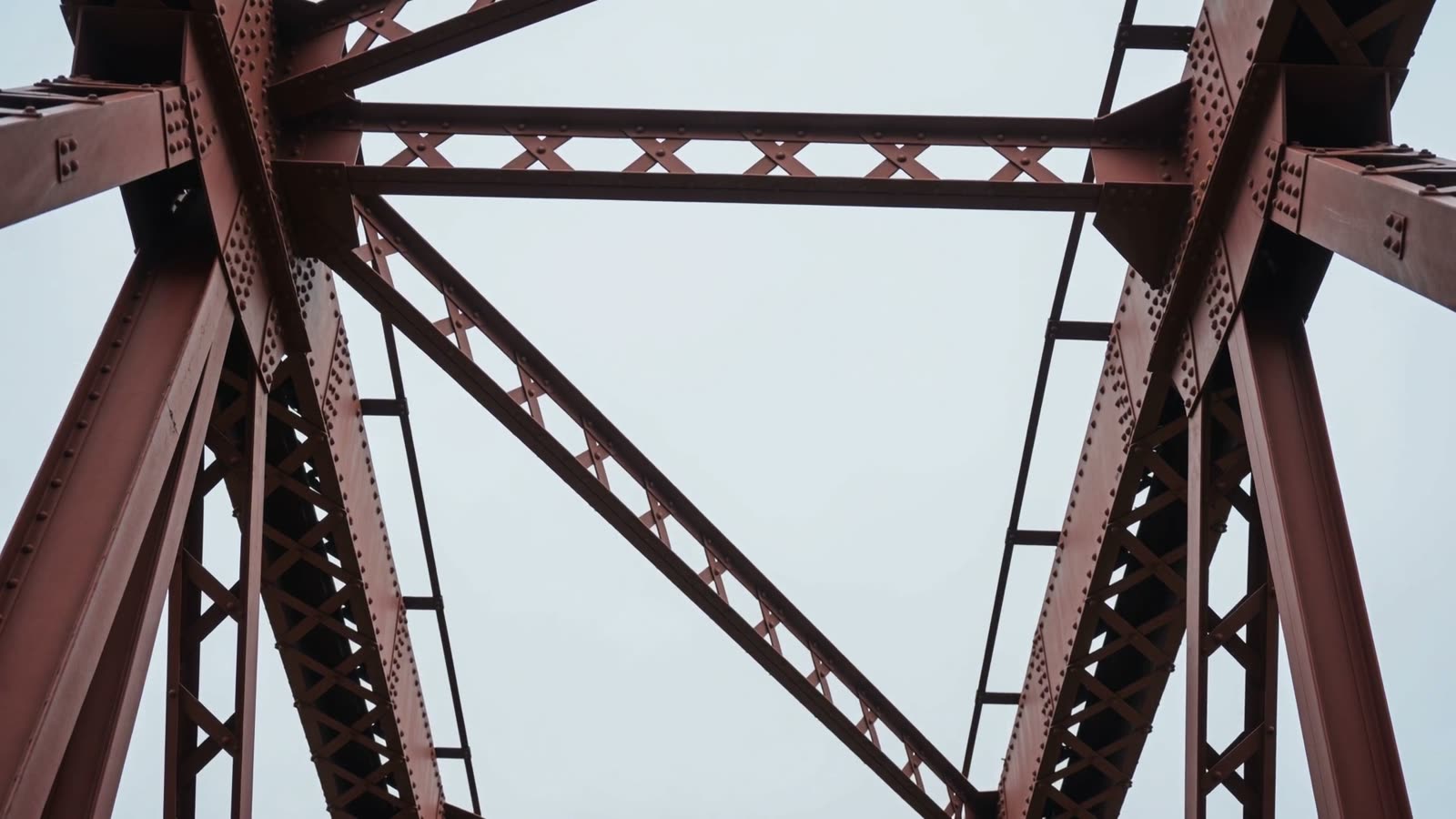
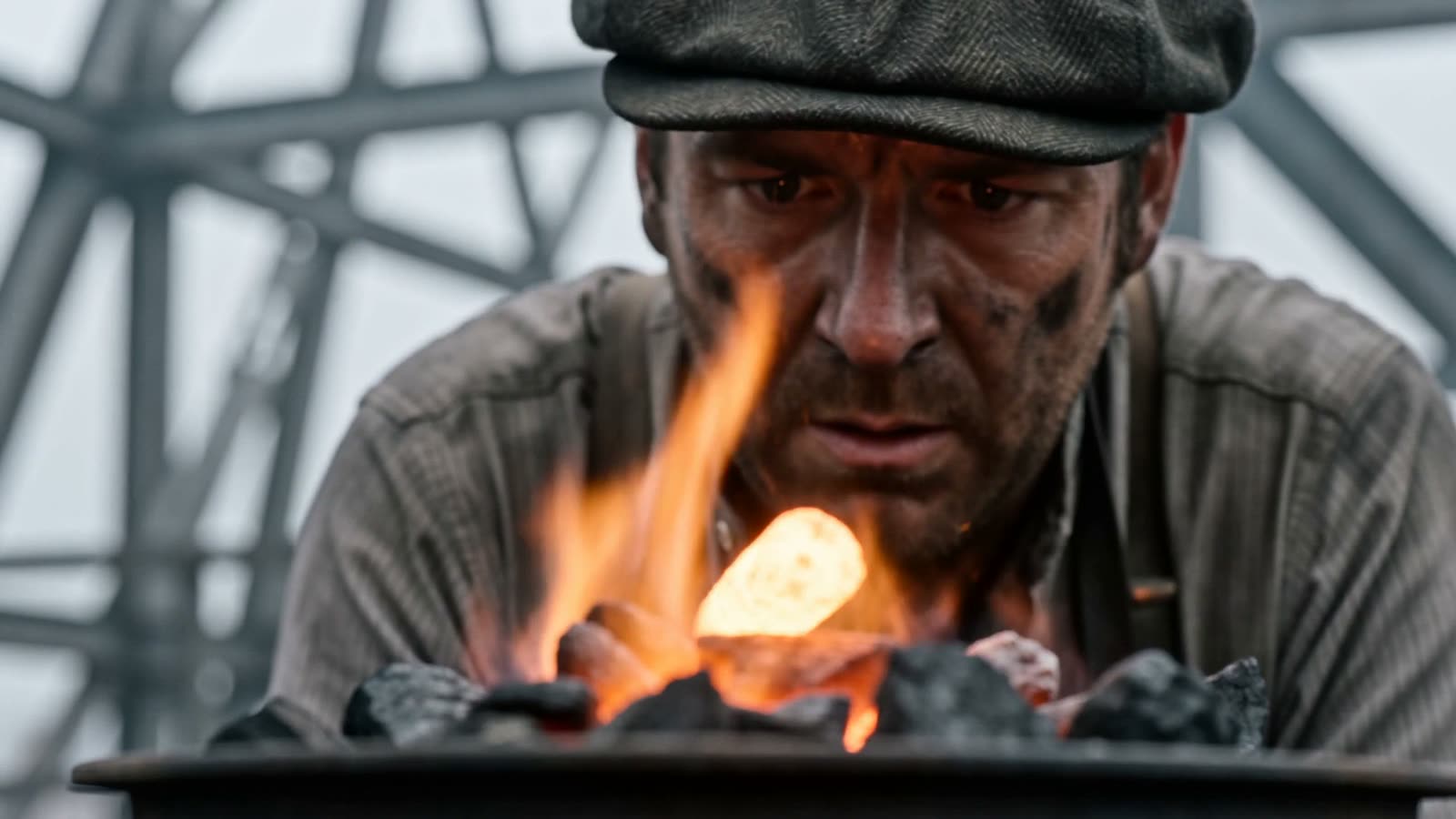
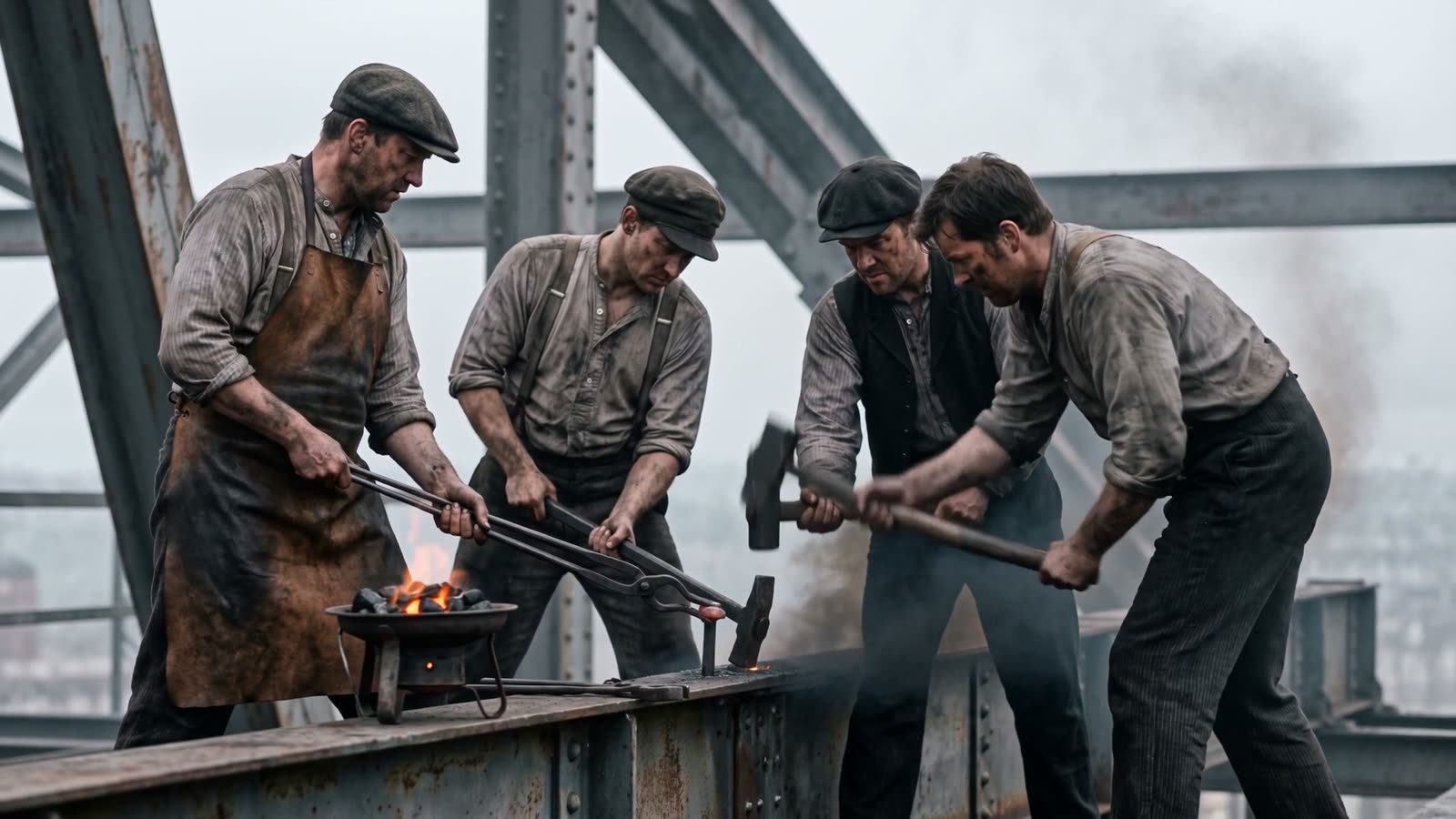
Two and a half million rivets hold the tower together, and each one takes four men. One heats it until it glows. One sets it in its hole. One holds the head. One drives it home with a sledgehammer. As the hot iron cools it contracts, pulling the joint tight — a connection made permanent by physics, not force alone. Only about a third are driven on site; the rest were closed in the factory. But above Paris, on narrow beams without harnesses, every one still matters.
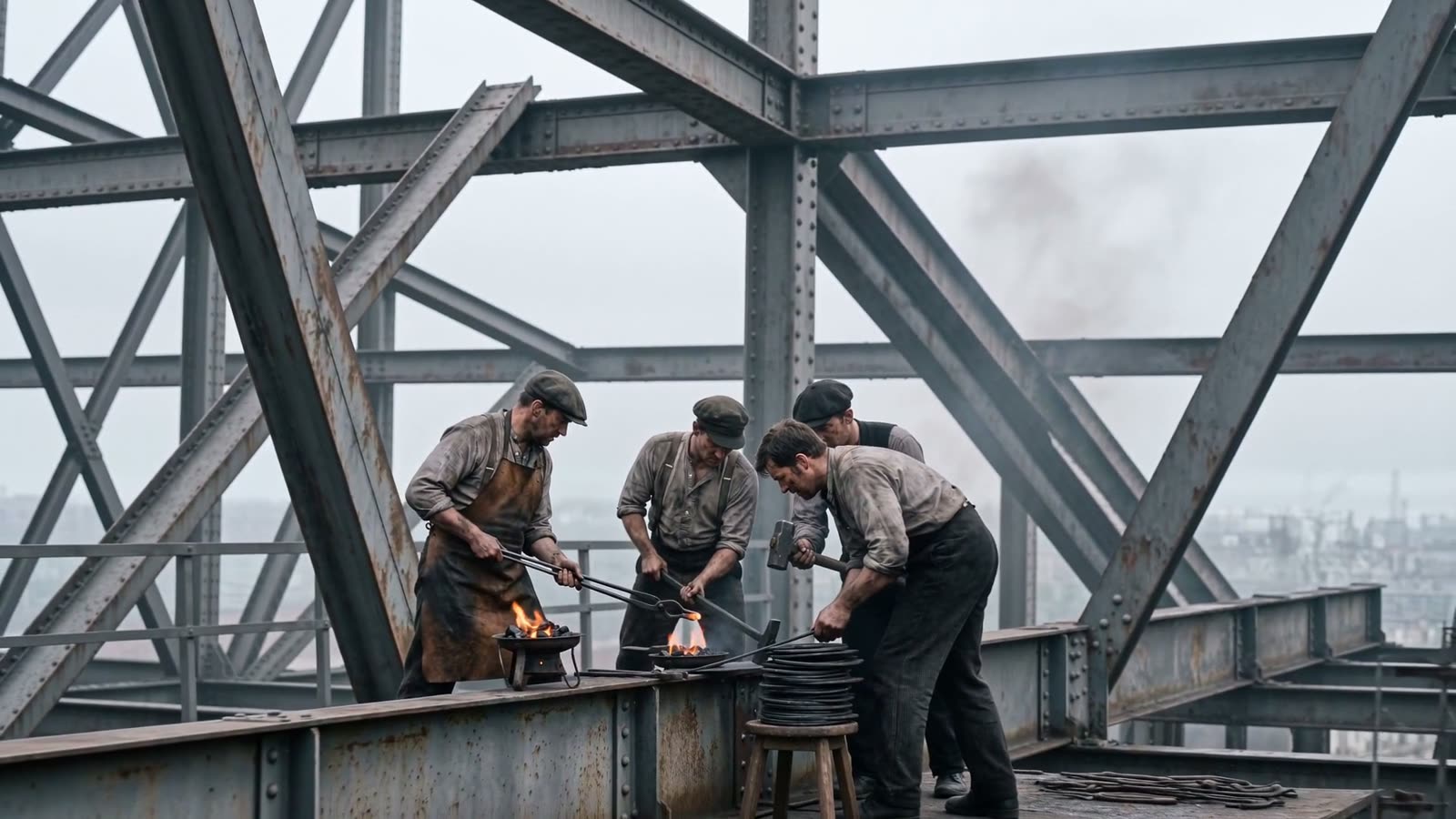
The pace is extraordinary: five months for the foundations, twenty-one for the iron. The most dangerous moment is still ahead — four separate legs, rising independently, that must meet in the air.
When four legs became one
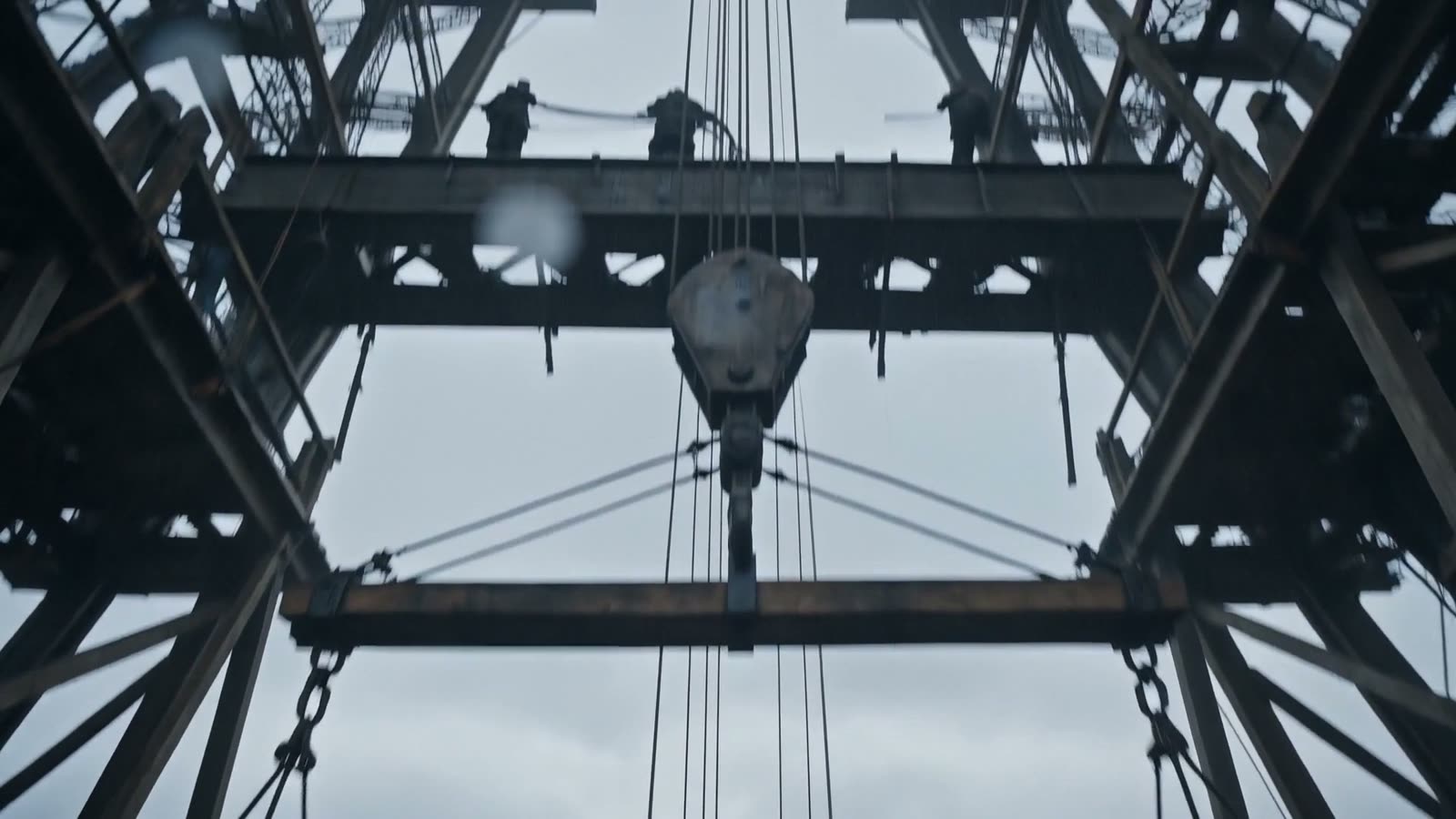
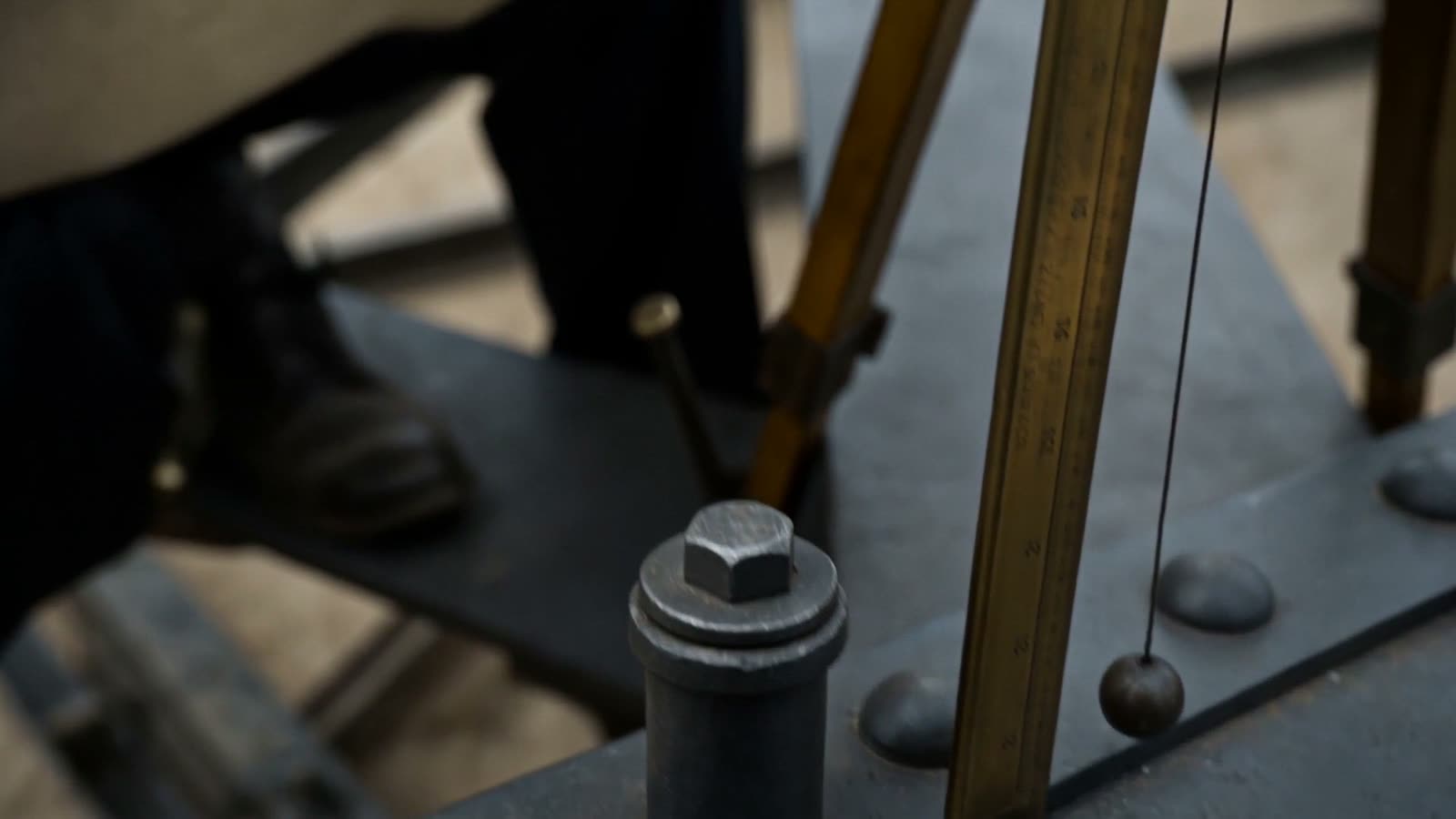
Each leg leans inward at a calculated angle; if any is fractionally wrong, the first-platform girders will not align. Eiffel's answer is patient and mechanical: boxes of sand emptied a little at a time, hydraulic jacks worked by hand pump, colossal iron moved by millimetres. The target is alignment within a single millimetre. On 7 December 1887, the girders of the first level are joined — four legs become one structure, and small steam cranes climb the tower on runners built for the future lifts. Paris can no longer dismiss the drawing. The iron giant is impossible to ignore.
The war against the Tower
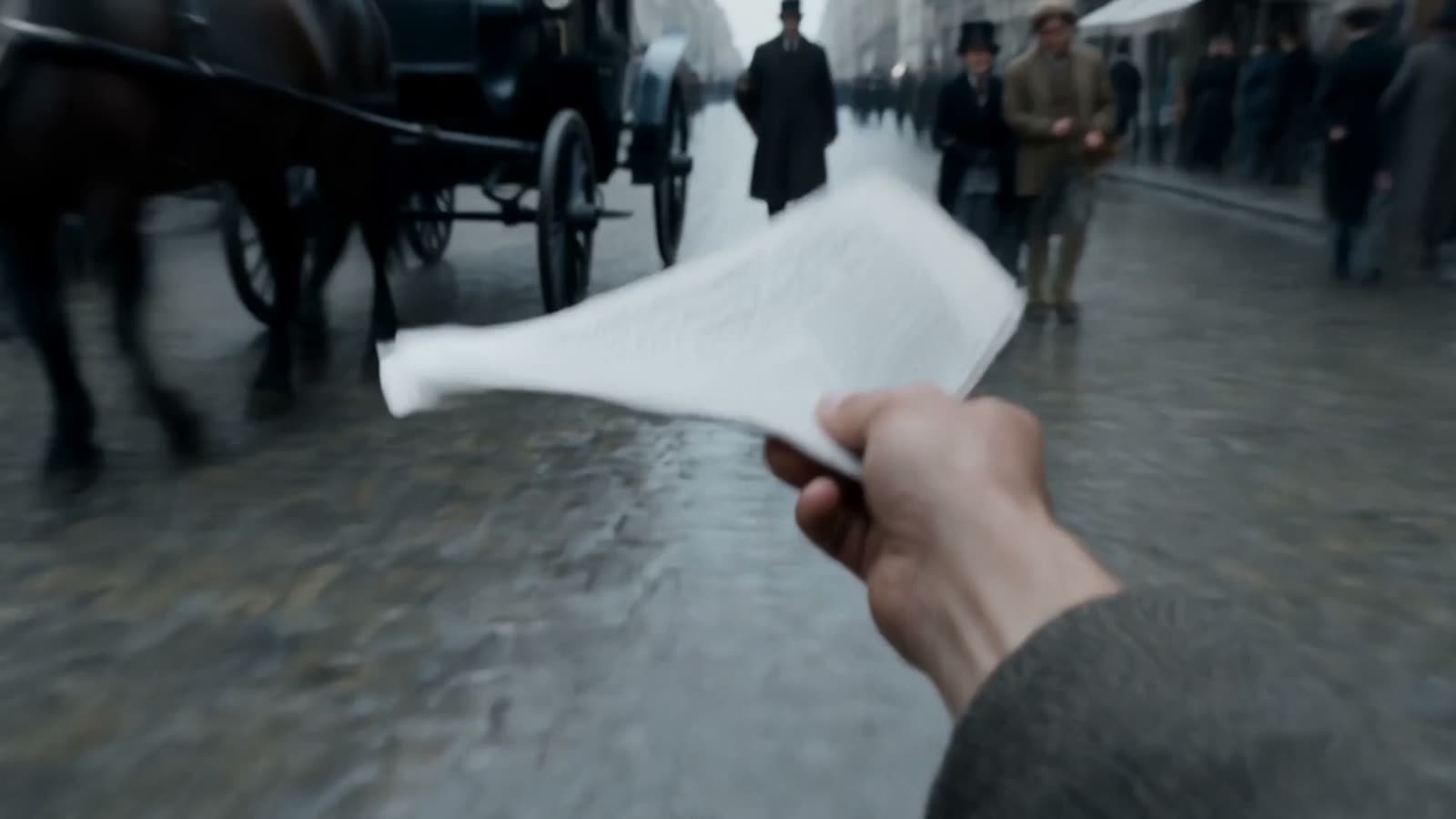
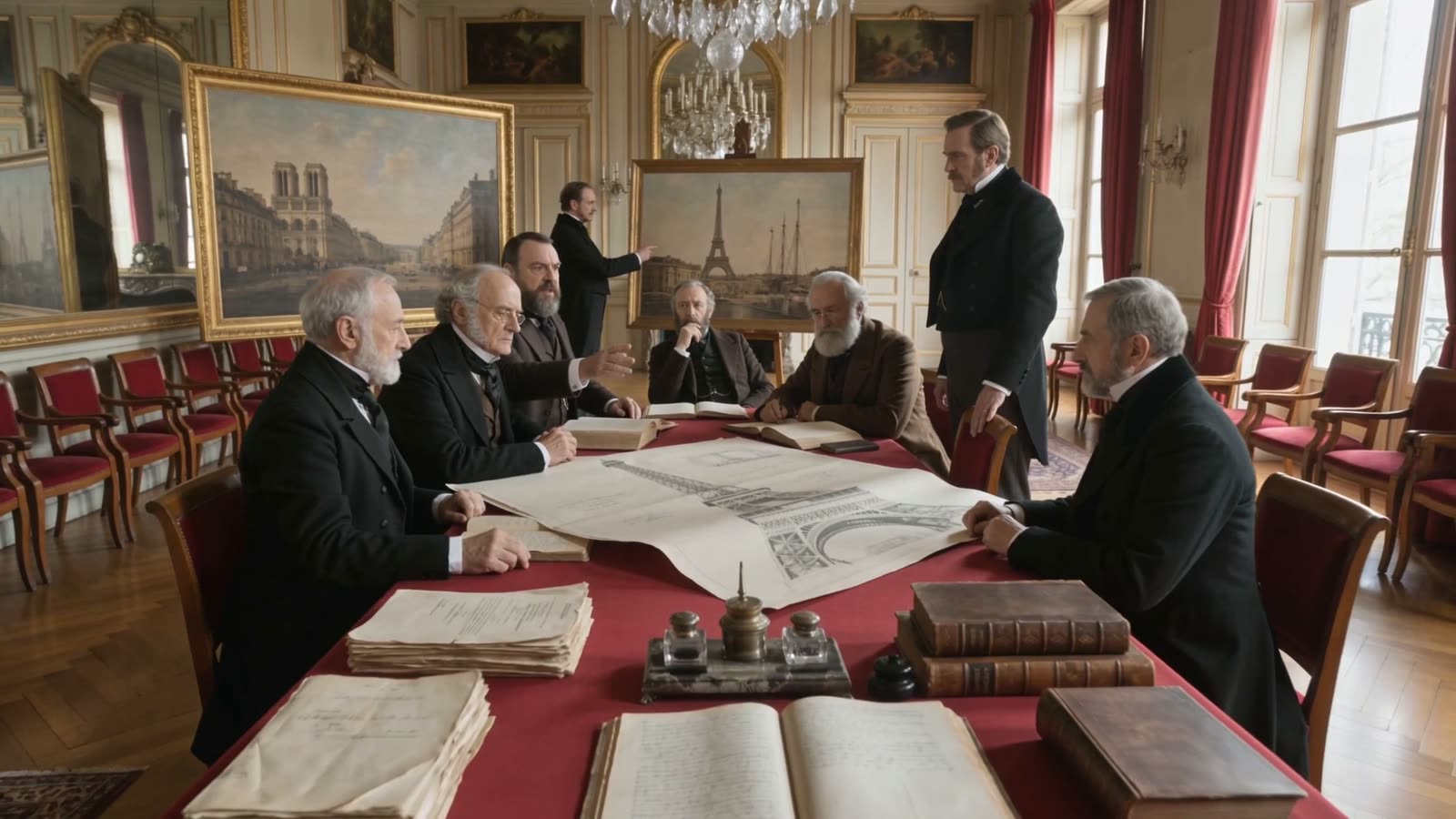
Opposition erupts before the tower is half built. On 14 February 1887 the newspaper Le Temps publishes a protest signed by dozens of France's most celebrated cultural figures — Guy de Maupassant, Charles Gounod, Alexandre Dumas fils, Charles Garnier of the Opéra — condemning the "useless and monstrous" Eiffel Tower as a factory chimney forced on a historic city. They believe they are defending Paris, and nothing like it has ever stood beside Notre-Dame or the Louvre. Eiffel's reply is an engineer's: the tower's strength and its beauty are the same fact. Argument will not settle it. Only the finished tower can.
Paris looks down from the sky
On 31 March 1889 — two years, two months and five days after the first spade — the structure is complete, and Eiffel climbs to the summit to raise the flag. When the Exposition opens weeks later the lifts are not ready. It does not matter. In the first week almost thirty thousand people climb 1,710 steps to the top, and nearly two million ascend during the fair. For a public that has never seen powered flight, the view is unrepeatable: Paris, suddenly, is a map.
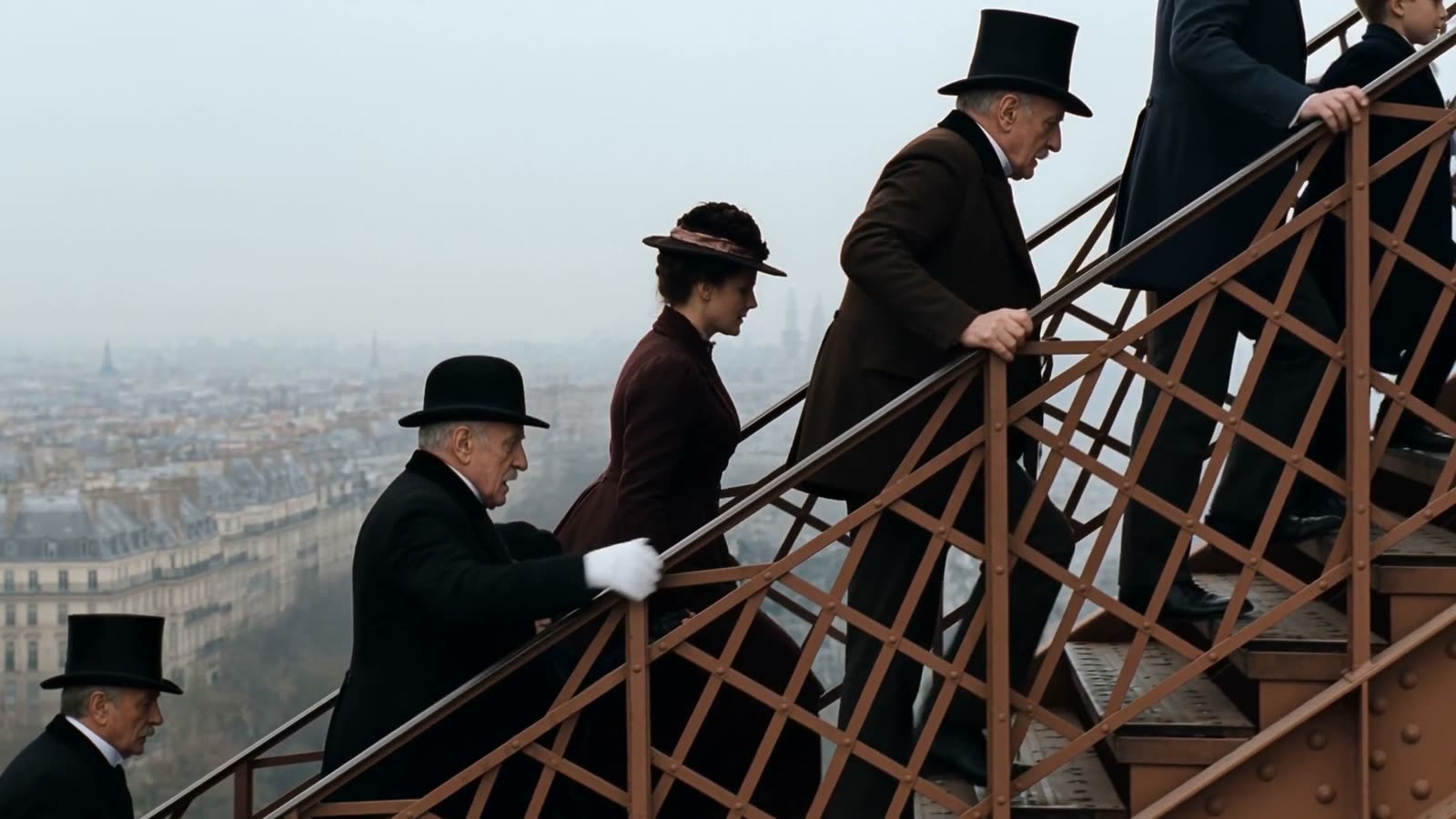
The critics are not converted. They are simply drowned out. But popularity does not stop a clock — the concession still ends, and the tower can still come down.
The machine that saved itself
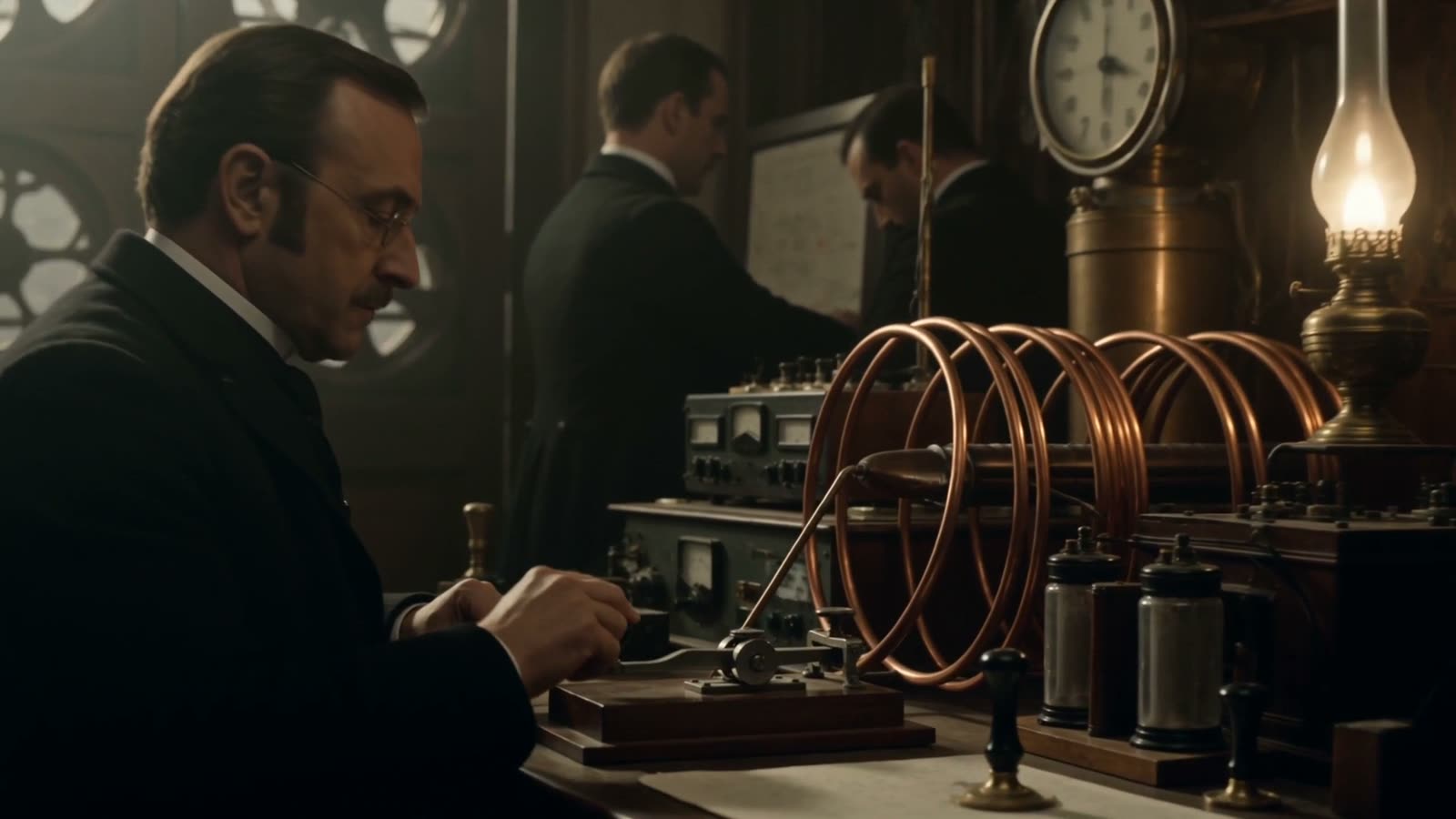
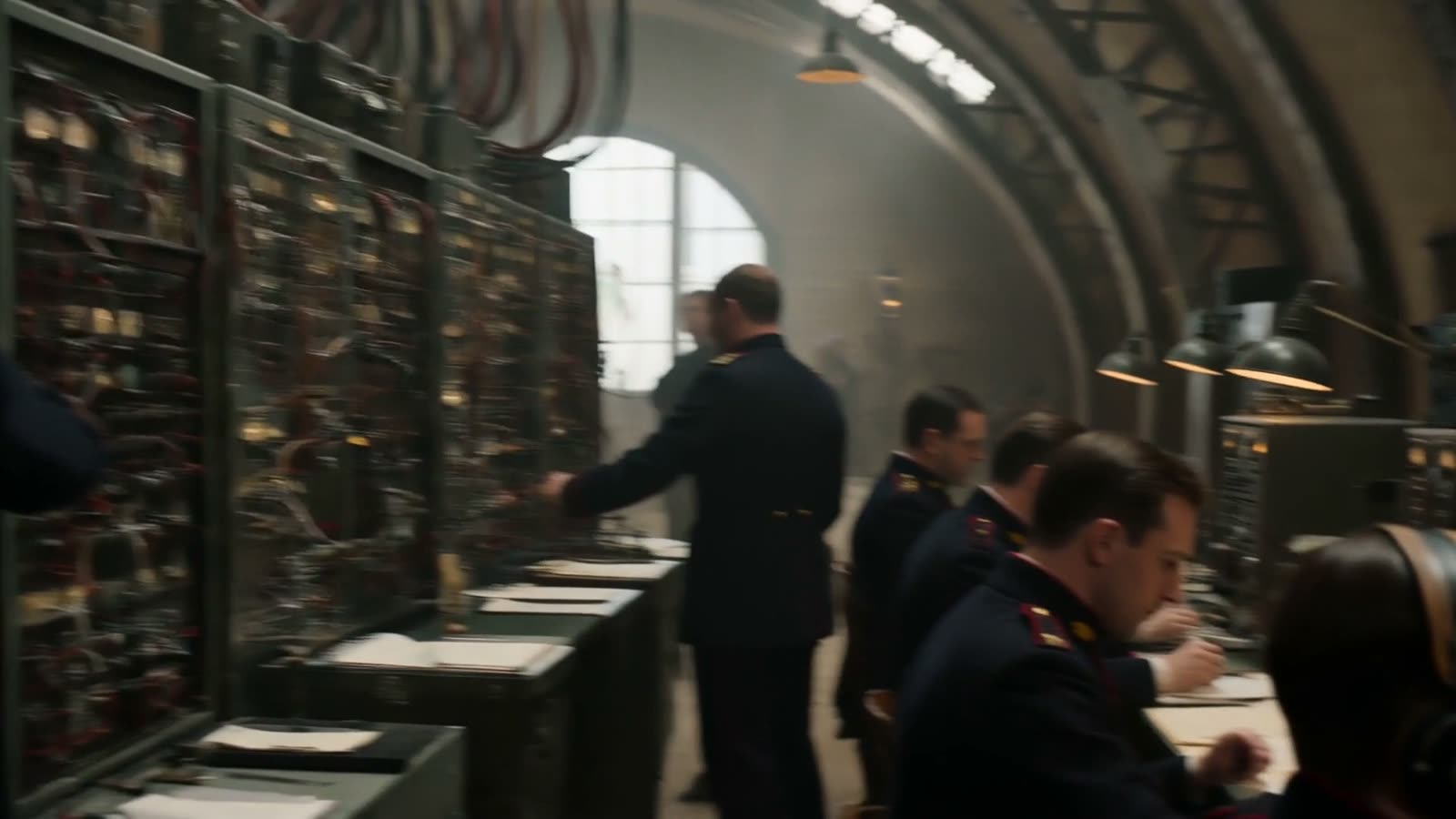
Eiffel understands the danger, and he works to make the tower indispensable. Scientific instruments move into its upper rooms; it becomes a laboratory for meteorology, aerodynamics and gravity. But one use matters more than the rest: wireless. In 1898, Eugène Ducretet establishes radio contact between the tower and the Panthéon, four kilometres away. From 1903, Captain Gustave Ferrié runs military experiments from the tower — Eiffel offers the structure and helps pay for the equipment. By 1908 its signals reach six thousand kilometres. In 1909 a permanent military radio station is built beneath the Champ de Mars.
The monument is now infrastructure. From 1 January 1910, the concession is extended by seventy years. During the First World War the tower's station intercepts enemy communications; later it carries public radio, then television. The critics condemned it because it looked like a machine. It survived because it became one.
The monument that learnt to survive
Antennas have since raised it to 330 metres, and paint still protects the nineteenth-century iron. But the deepest change happened in the imagination: the object denounced as the enemy of Paris became the image by which Paris is recognised. A temporary structure became a permanent symbol; an industrial pylon became a work of art. The Eiffel Tower did not survive because everyone agreed it was beautiful. It survived because Gustave Eiffel refused to let beauty be its only purpose.